Scripting Algebra SA7: Directrix and Focus This Scripting Algebra (SA) activity uses parabolas again to make generative art in p5.js. In SA6, we used the f(x) = ax2+bx+c form for parabolas. In SA7, we are going to take a look at the directrix and focus by using the form: (x-h)2 = 4p(y-k). This is one of my favorite ways to look […]
Scripting Algebra SA6: Parabola Art This Scripting Algebra (SA) activity uses parabolas to make generative art in p5.js. Learners will investigate existing code to analyze changes in parabolas, and other features of the output. This activity assumes that the skills from SA1-SA5 were introduced (if-else, logical operators, random(), te
Scripting Algebra SA5: Systems of Equations This Scripting Algebra (SA) activity will play with systems of linear equations in p5.js. In this activity, a system of two random lines will be generated and the intersection (or solution) of those lines will be calculated to make generative art. It is recommended to introduce creating functions if
Scripting Algebra SA4: Perpendicular Play This Scripting Algebra (SA) activity will introduce students to perpendicular slopes and points for lines in p5.js. Once students get comfortable with linear functions, it is fun to look at their perpendicular counterparts. Introduce the concept that a perpendicular line has a slope that is a negati
GIF Popping Apollonian Gasket I doodled this GIF after two days of painting the canvas below. I think I am in the process of preparing for my fall classes and students. Art is definitely an outlet – especially when it’s math + art.
Scripting Algebra SA3: Exponents Exponential growth can be visualized so many different ways. This SA activity will play with the pow function and explore exponents in p5.js. This activity assumes that the skills from SA2 were introduced (if-else, logical operators, random(), text(), rect(), variables, loop, etc.). Make sure that t
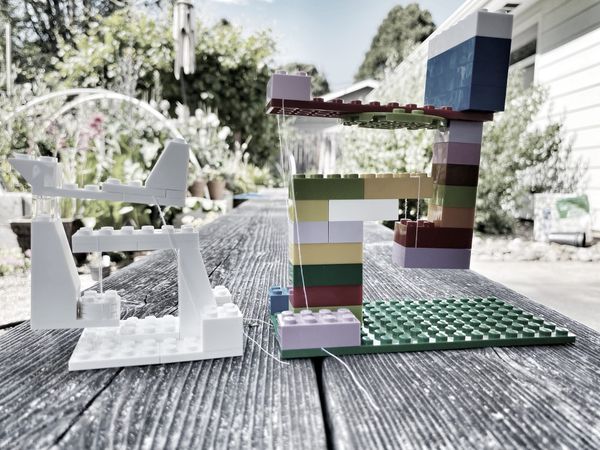
52 Weeks of Math Activities Week 40: Tensegrities In math, we find balance and equilibrium. We balance equations. We keep balance by using properties of identity (multiply by 1 or add zero), Properties of Equality (mirroring operations), and by using the many other ways to manipulate and play with structures in math. This week’s math is about
52 Weeks of Math Activities Week 39: Toothpicks A box of toothpicks can lead to an afternoon of entertainment. This week learners can play with the toothpick sequence. The sequence produces really interesting geometries and lines as it grows. I recommend watching Numberphile’s Youtube video on this sequence here. There is also OEIS’ website that allows for
GIF Toothpick Worms GIF Go here to play with a generator: http://oeis.org/A139250/a139250.anim.html [http://oeis.org/A139250/a139250.anim.html]
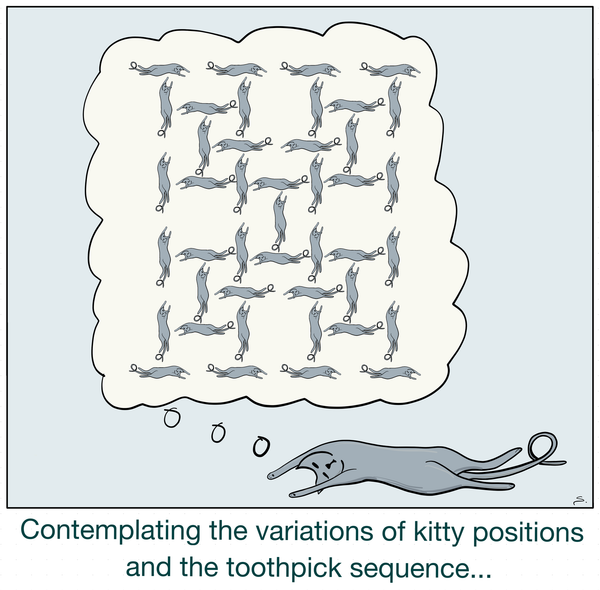
Comics Kitty’s Toothpick Dream And for some fun play with toothpicks go here: http://oeis.org/A139250/a139250.anim.html [http://oeis.org/A139250/a139250.anim.html]
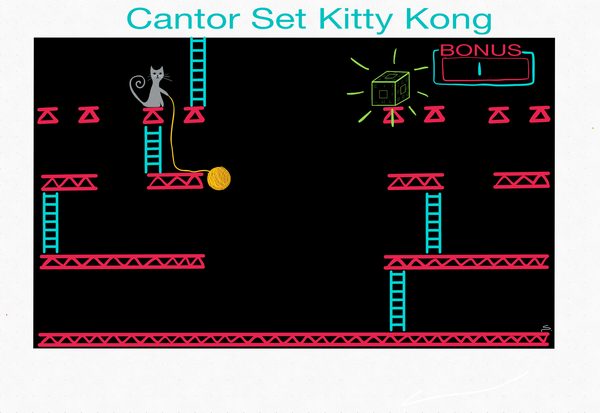
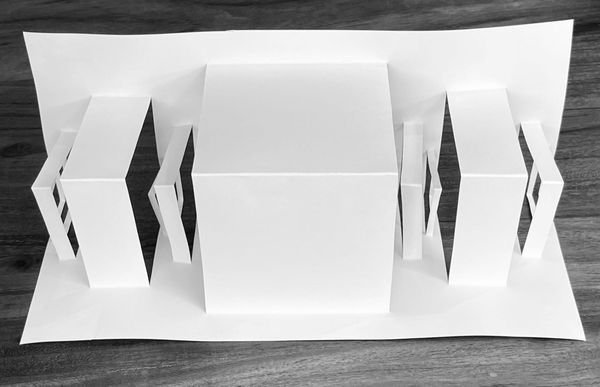
52 Weeks of Math Activities Week 37: Cantor Set Kirigami For this week’s activity, learners can play with Cantor Set Kirigami. The Cantor Set is created by drawing a line. Next, remove the middle third of that line (this will create 2 lines). For each of the two lines just created, remove the middle third (this will create 4
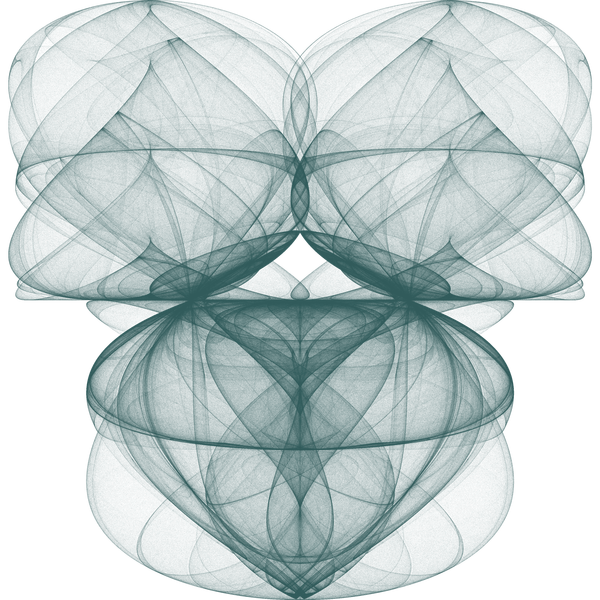
abstract I’m Attracted to Attractors So many plots and mathematical musings throughout my life have brought on a sense of artistic beauty and awe within my being. In the windowless halls of engineering firms I have smiled at harmonics, or in a homeschooling room squealed in glee when I stumbled upon Pisano periods by trying to play Fib
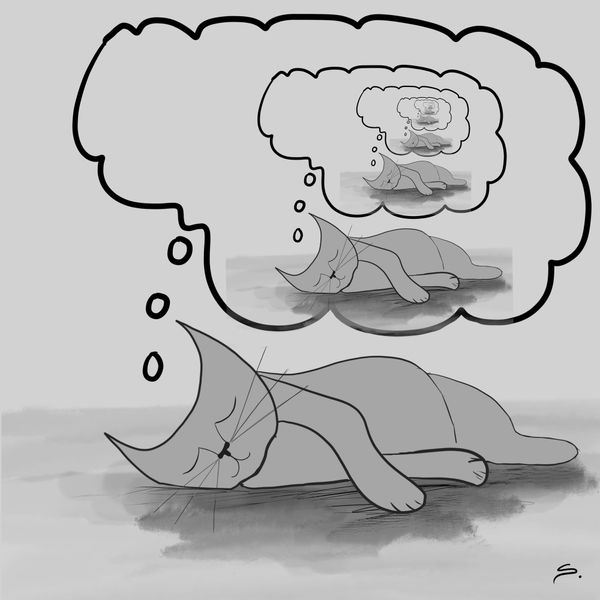
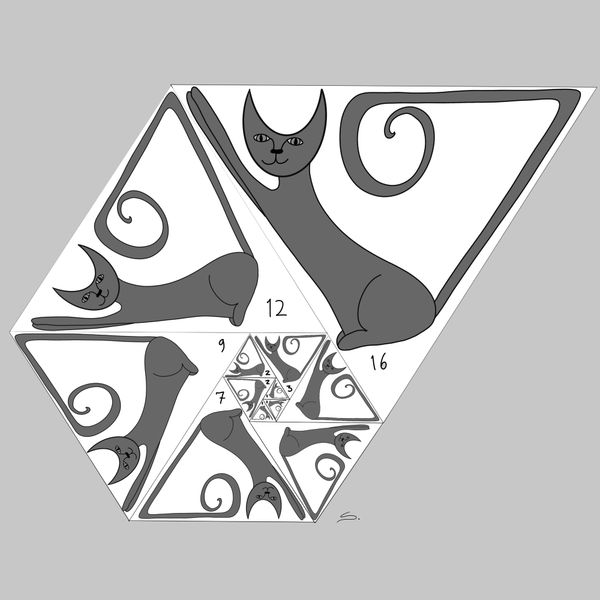
Comics Fractal Dreaming I had a dream last night in a dream in a dream, so I decided to sketch this one up…
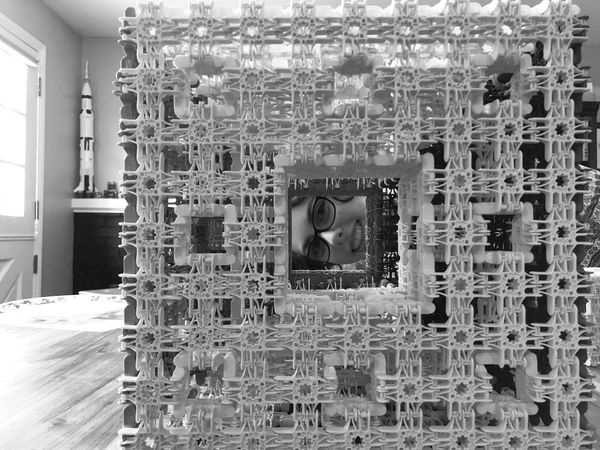
52 Weeks of Math Activities Week 17: Sierpinski in 3D Building Toys This week, break out your blocks (or whatever building toy you enjoy). We are building a Sierpinski cube (Menger Sponge) or Sierpinski tetrahedron. I would also encourage learners to create their own shape and expand on it to create a self-similar sculpture or fractal (think about what each iteration would
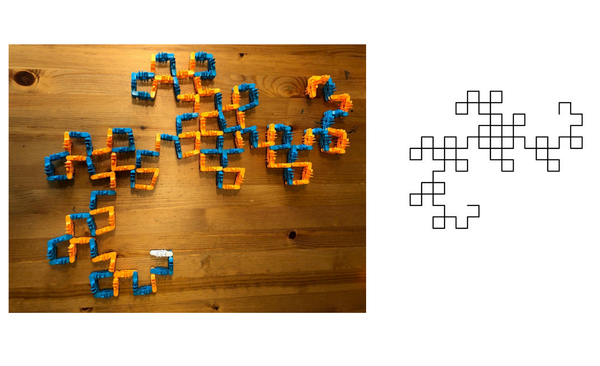
52 Weeks of Math Activities Week 9: Dragon Curve The Dragon Curve is a fractal that is well explained in this numberphile video. This week learners can create a dragon curve with a strip of paper, Lux Blox, Python programing, Legos or toothpicks. Paper: For paper, I would suggest using a strip of thin paper. Thicker paper doesn’t