52 Weeks of Math Activities Week 27: Patterns in the Paper Weaving I love fiber arts and weaving. So, I have one more weaving post for this series, but this time it’s with paper. This activity is great for all ages and can be done with ribbon, bias tape, or strips of paper. I like to use origami paper strips. The
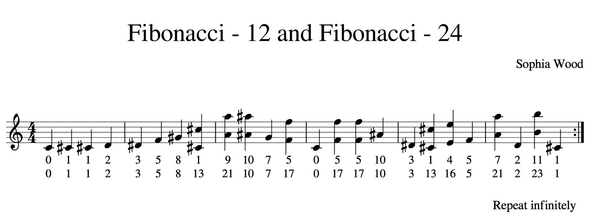
52 Weeks of Math Activities Week 26: Musical Math You don’t have to be a musician to play with music and math. This week, I encourage learners to experiment with sound and patterns. Below is a list of ideas to experiment with: 1. Create a rhythm as an individual or a class that follows a sequence and build
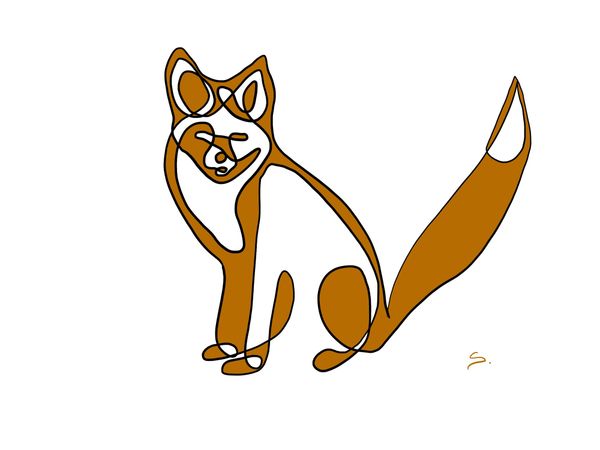
52 Weeks of Math Activities Week 25: Loopy Doodle Math Doodling and math? Yes, we can play with doodles and see what patterns emerge. Finding patterns and problem-solving are big parts of math. For this week’s hands-on math, learners are going to draw a loopy doodle where they start and end at the same point without lifting the pencil
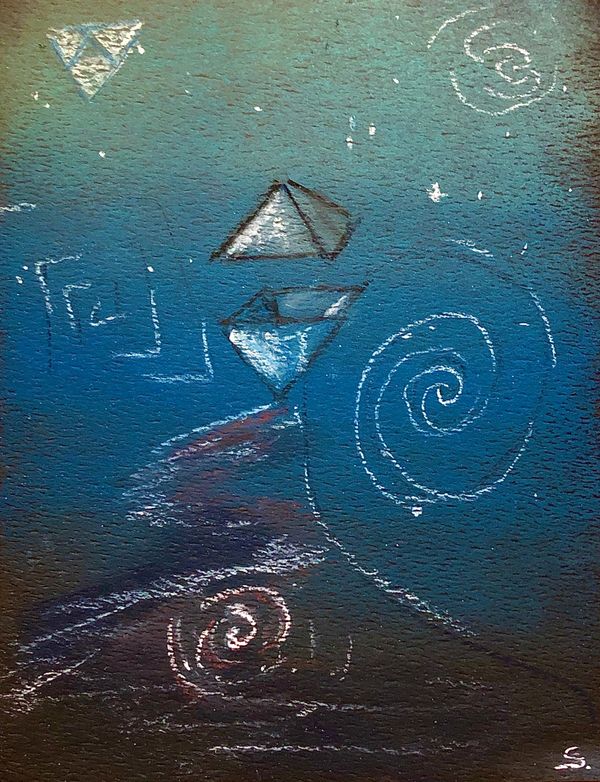
52 Weeks of Math Activities Week 24: Pastel Diagrams and Plots Sometimes, math diagrams, plots, and examples can be a little dry in our books and on the board. This week, learners will be taking a diagram or plot that they want to improve upon and sketch it up with pastels, paints, or other media. Color, composition, and artistic embellishments can
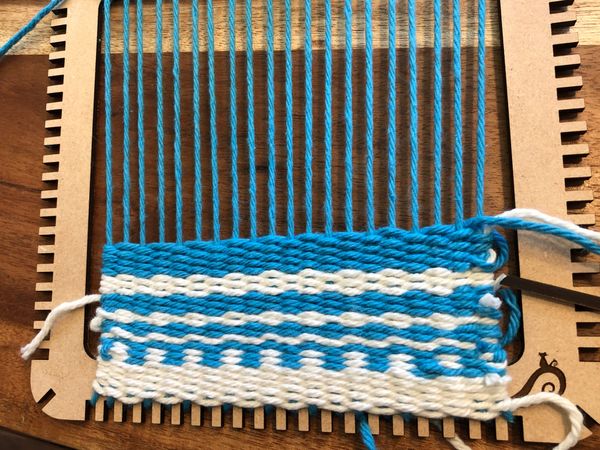
52 Weeks of Math Activities Week 23: Fibonacci Weaving If I am not playing with math, then I am tangled in yarn and thinking about math. This week I combined the two and wove A small fibonacci washcloth. Fiber arts are so versatile and an insanely fun way to express mathematics. In future weeks we will look at collage
52 Weeks of Math Activities Week 22: Tessellations – Paper Method This week we will do tessellations that fit together through translation (moving without rotation). We will look at reflection and rotation in other weeks. There are a few different ways to do this, but we will use the paper method today. I always start the class by talking about what different kind
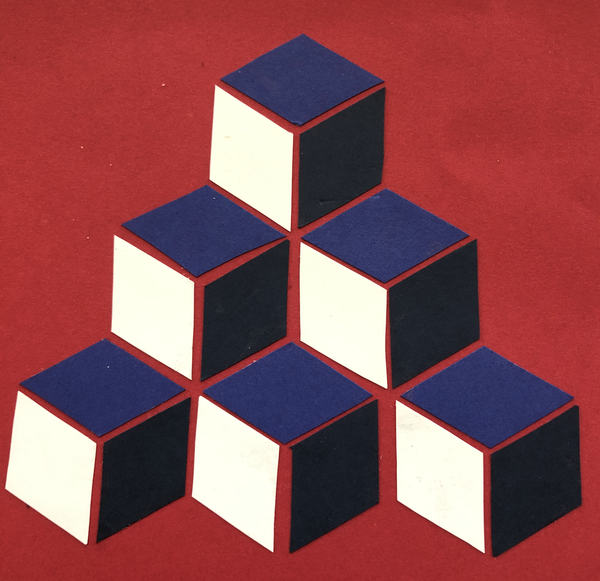
52 Weeks of Math Activities Week 21: Hexagon Tessellations I love tessellating! This week, we are playing with hexagons. Learners can either draw or cut various hexagonal designs with various colors. It is fun to see what secondary patterns can occur. Do other polygons tessellate? This is a wonderful activity to practice mindfulness and presence as you play with
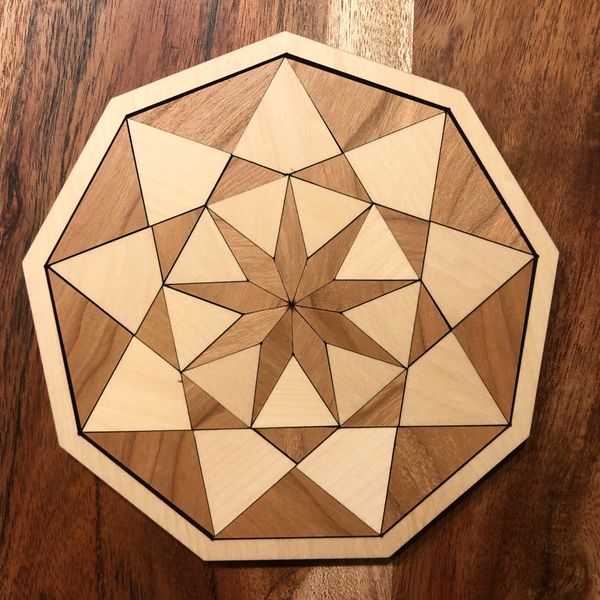
52 Weeks of Math Activities Week 20: Angles within a circle This week, learners can play with angles with both grand projects and smaller art projects. There are 360 degrees in a circle or 2pi radians. Learners can draw a circle and then mark every 20 degrees (or every 30 or any factor of 360). Factors: 1, 2, 3, 4, 5,
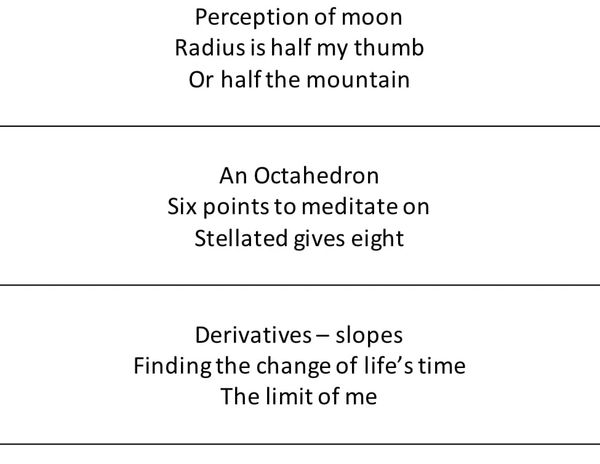
52 Weeks of Math Activities Week 19: Math Haiku Poetry forms are like puzzles. You have to take the words you want to say and rearrange them, find synonyms, and reformulate them until they can fit into a form. This problem-solving is so similar in math. One of the first forms to play with is the Haiku. It is
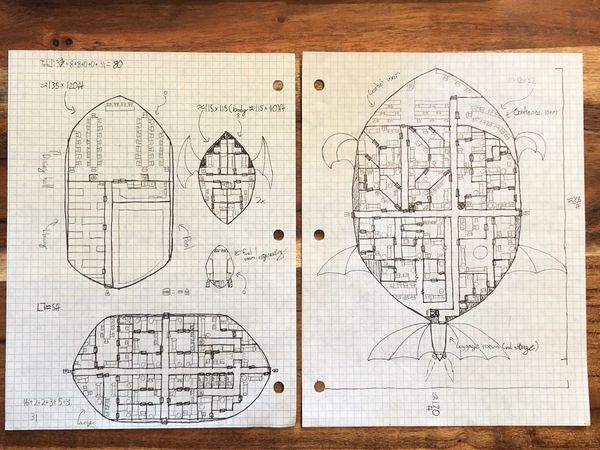
52 Weeks of Math Activities Week 18: Castles, Maps and Spaceships – Let’s Draft This week learners can dive deep into their imaginary worlds (or real world inventions). The project this week is to create a map, castle, spacecraft or invention. The math focus will be on developing a sense of scale. Younger learners may practice scale with proportions in their drawings. Older learners
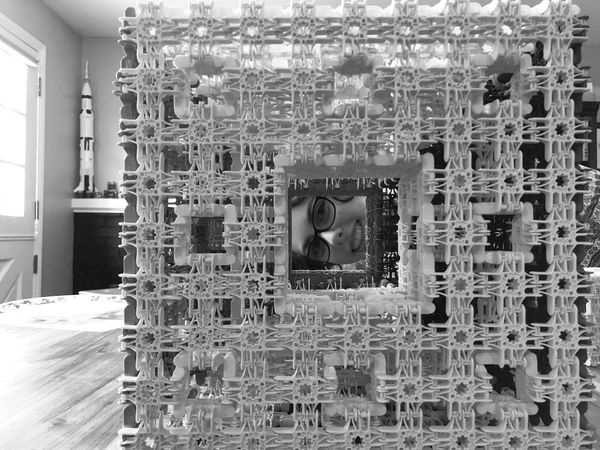
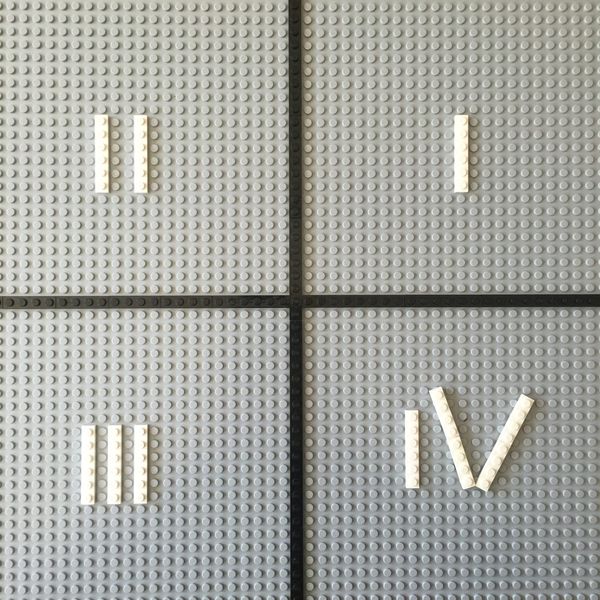
52 Weeks of Math Activities Week 17: Sierpinski in 3D Building Toys This week, break out your blocks (or whatever building toy you enjoy). We are building a Sierpinski cube (Menger Sponge) or Sierpinski tetrahedron. I would also encourage learners to create their own shape and expand on it to create a self-similar sculpture or fractal (think about what each iteration would
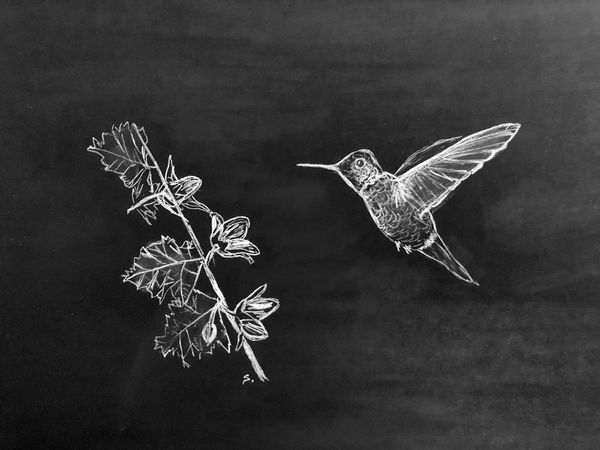
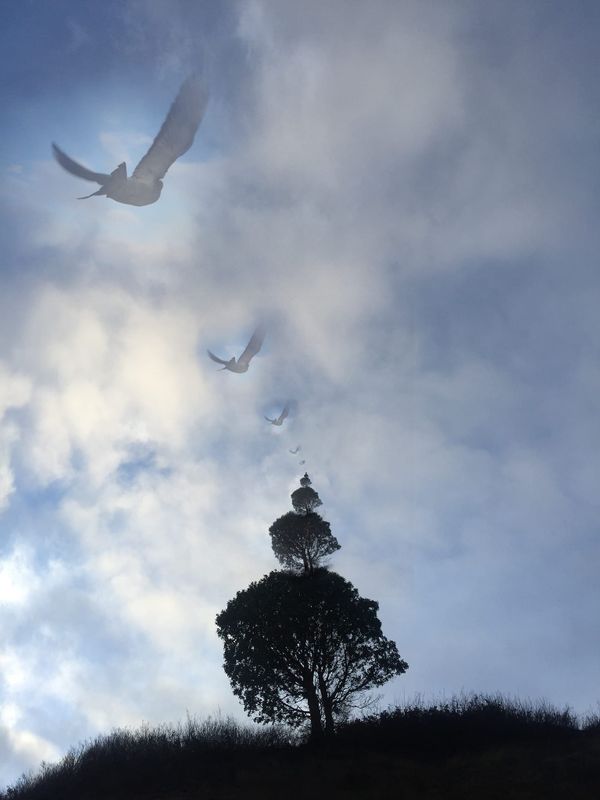
52 Weeks of Math Activities Week 16: Geometric Sketching – Hummingbird I love to incorporate drawing skills into math education. This week I encourage learners to start seeing birds (or other animals/people) as shapes. Heads are circles, torsos are ellipses, beaks are triangles, wings are long ellipses… Sketching is a skill. A skill is something that you can master in
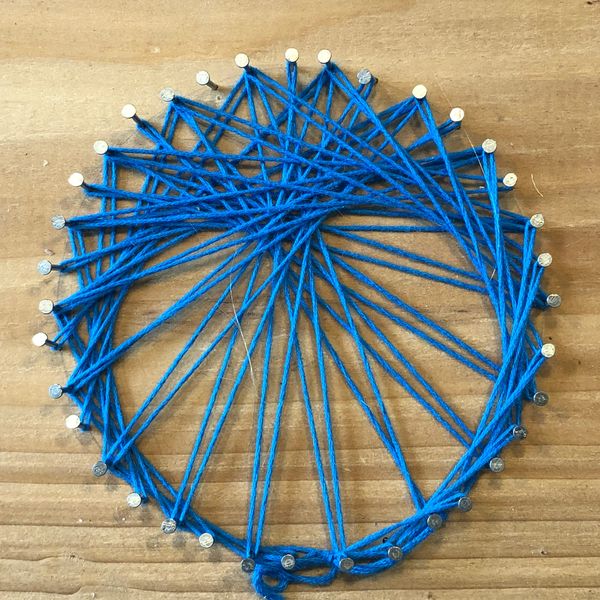
52 Weeks of Math Activities Week 15: String Art This is a classic, yet fun activity with math: * Start with a compass or protractor and create a circle with evenly spaced points around it. Students can figure out how many degrees need to be between points (example: if you want 10 points, then there are 36 degrees between each
52 Weeks of Math Activities Week 14: Guess the rule – math game One of my hobbies is to take completely non-math related games and modify them for classes. I don’t know what to call this game, it is probably a variation of “psychiatrist” or something, but here is how it goes: In a group of at least 4 players, ask one player to leave the room and […]
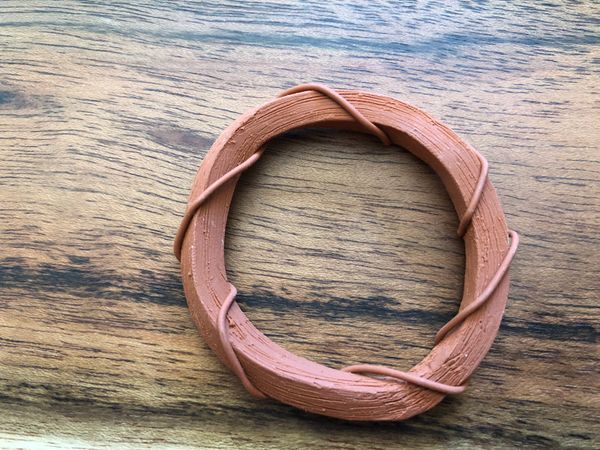
52 Weeks of Math Activities Week 13: Clay Möbius Strips There are lots of amazing paper Möbius strips that are fun. You can cut down the middle, twist multiple times, make a Möbius paper chain, and try it with various materials. For a basic paper tutorial, I found a good one here. Rather than creating the classic paper strips, this week learners will be
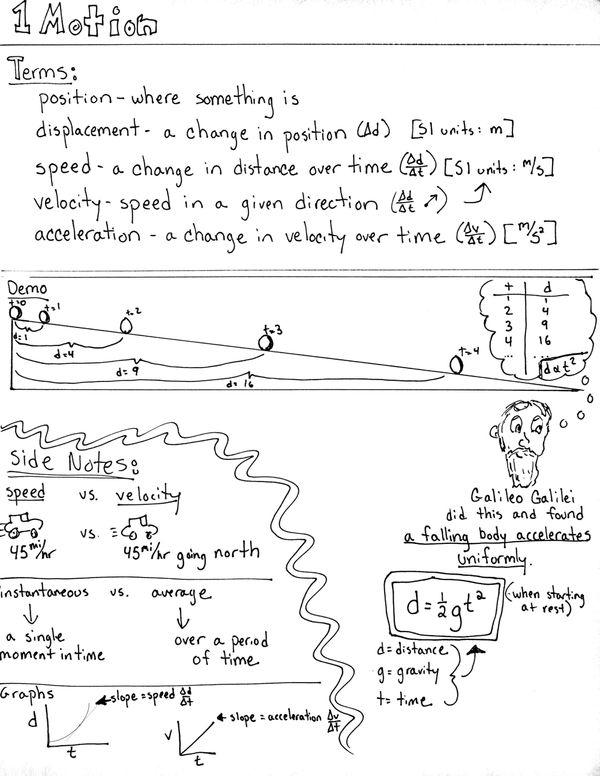
52 Weeks of Math Activities Week 12: Galileo and Gravity This week, we are going to take a look at applied math. Learners will be given a ramp (this can be a ruler), a ball that fits on the ramp, a measurement device (ruler), and a timer. With these instruments, learners can investigate the relationship between distance and time as
52 Weeks of Math Activities Week 11: Soma Cubes I love Martin Gardner’s work and books that brought math to so many people in a fun and engaging way. One of the topics he covered was Soma Cubes. This week, learners can create and play with this wonderful seven-piece puzzle that was invented by Mr. Piet Hein during
52 Weeks of Math Activities Week 10: Power of Two Tag Tag is a great way to get moving, and it isn’t just for kids. I have had my highschool groups play with just as much zeal as the 5 year olds. For this week I encourage learners to create outdoor tag games that incorporate a mathematical concept. Here is
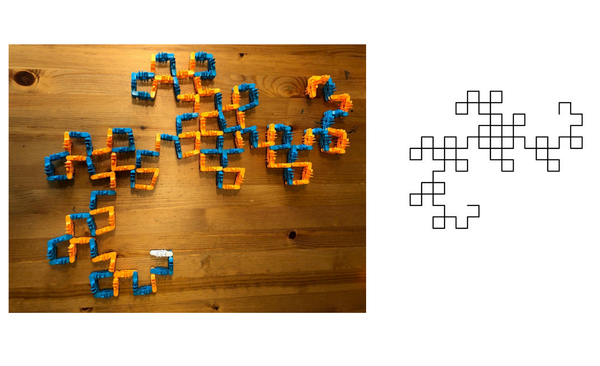
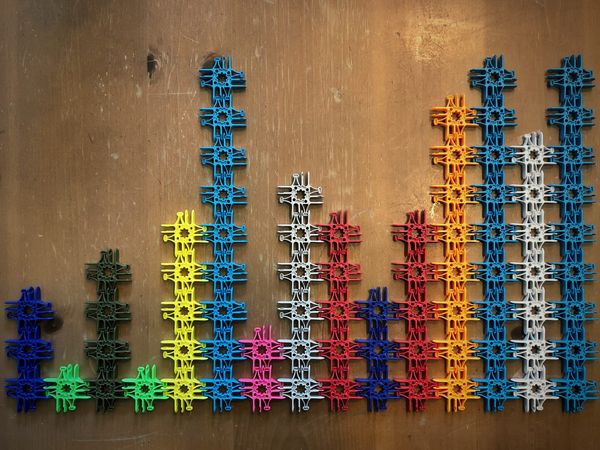
52 Weeks of Math Activities Week 9: Dragon Curve The Dragon Curve is a fractal that is well explained in this numberphile video. This week learners can create a dragon curve with a strip of paper, Lux Blox, Python programing, Legos or toothpicks. Paper: For paper, I would suggest using a strip of thin paper. Thicker paper doesn’t
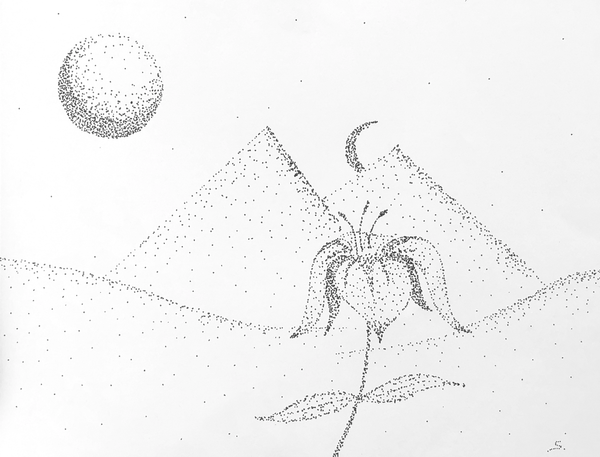
52 Weeks of Math Activities Week 8: Density Through Pointillism This week, we are going to look at density in a two-dimensional sense. The idea is to create two-dimensional images using various densities of points. The medium and approach can vary for the classroom. Some ideas are: * Sand art on a stick surface using different densities of sand (try light
52 Weeks of Math Activities Week 7: Cartesian Coordinates This week learners can get hands on with plotting. I encourage learners to investigate the history behind the Cartesian Coordinates (it’s interesting – I was just reading about it in Infinite Powers by Steven Strogatz). The idea is to plot with D&D figures, chalk, legos, or watercolors. Make
52 Weeks of Math Activities Week 6: Randomness using pi This week, learners will create a work of art using pi. The goal here is not to understand pi, but to play with randomness. We will dive into the ratio of circumference and diameter another week. Pi’s decimals go on forever and without a pattern. Here are some ideas
52 Weeks of Math Activities Week 5: Tell a Tale (or comic) No matter what grade/age, stories are fun. This week, I encourage learners to read and write math stories. Take a concept and illustrate it through the art of story. Write comics, picture stories, murder mysteries, fantasies, plays, etc. Students can act out their story, create a stop animation, or
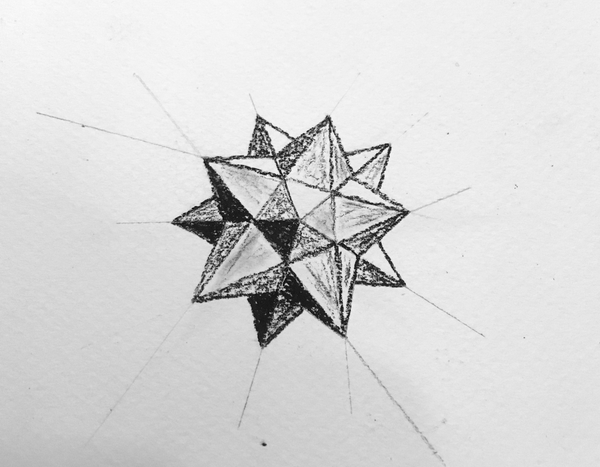
52 Weeks of Math Activities Week 4: Polyhedra Study Leonardo da Vinci was a mathematician, inventor, and artist. His sketches in The Divine Proportion are a wonderful collection to study. Spatial awareness and being able to draw what we see are skills that can be mastered through practice. This week, I encourage learners to sketch polyhedra from cubes to
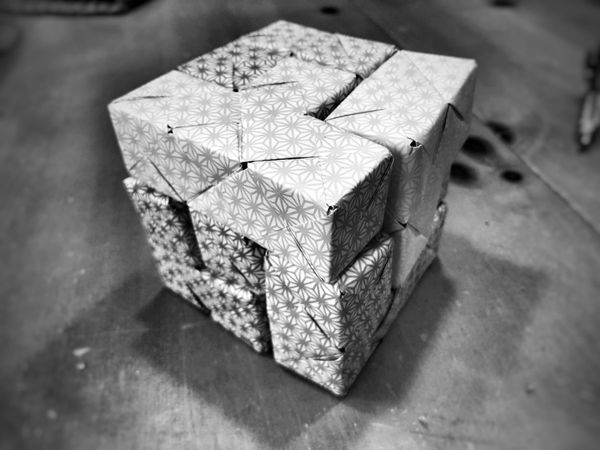
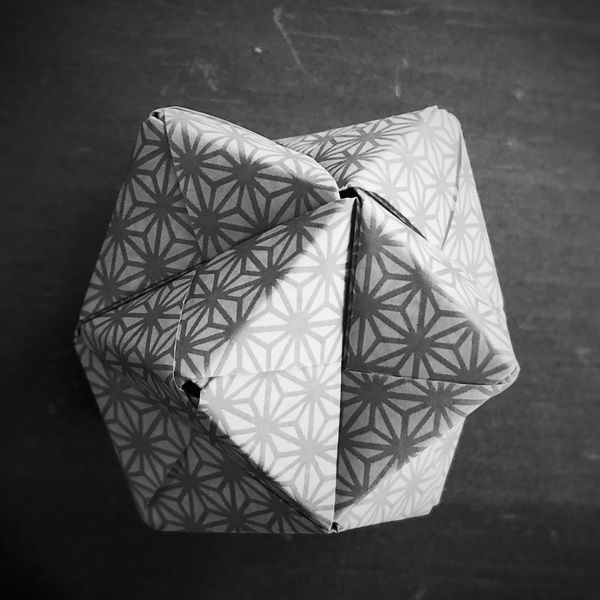
52 Weeks of Math Activities Week 3: Sonobe Octahedron Octahedra are such fun shapes. This week we are going to learn an important fold in origami that can be used to make so many mathematical shapes, puzzles, and works of art. We are going to learn Sonobe. Below is a video of how to create the basic fold and